Disco and the rise of the club DJ
How New York club DJs invented continuous mixing, why the 12-inch single was created, and how disco's boom and backlash shaped dance music.
The DJ becomes the main act
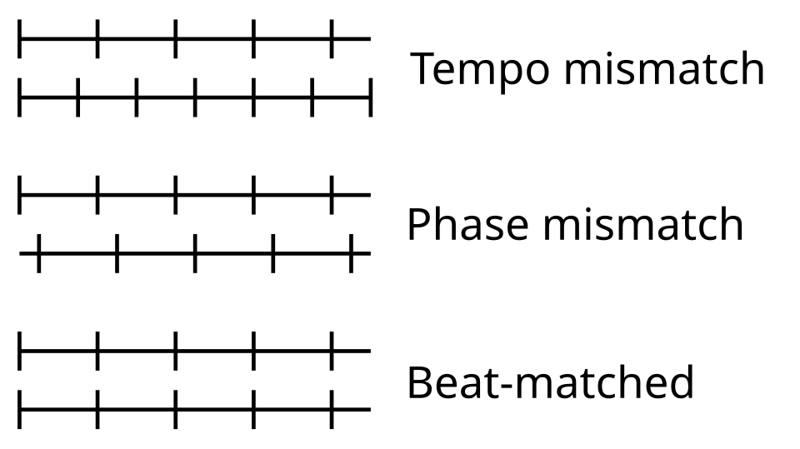
In late 1960s New York, nightclubs were changing. Instead of a band with a DJ filling gaps, some clubs relied on the DJ all night. At a club called the Sanctuary, DJ Francis Grasso became known for overlapping records and matching their beats, so the dancing never stopped. He used techniques such as slip-cueing, holding a record still on a felt mat while the turntable spun underneath. These ideas became the foundation of beatmatching.
Private parties and sound quality
In 1970, David Mancuso began hosting invitation-only parties at his New York loft, later known simply as The Loft. The focus was on sound quality, a welcoming mixed crowd and music chosen with care, from soul and funk to African and Latin records. The Loft inspired many later clubs, including the Paradise Garage. See garage.
The 12-inch single
Disco records were often short radio edits, which made mixing difficult. Producer and remixer Tom Moulton began making extended mixes with long instrumental breaks for dancers. The story goes that in the mid 1970s, when no 7-inch blank disc was available for a test pressing, a 12-inch blank was used instead. The wider grooves gave a louder, fuller sound, and the 12-inch single was born. By the late 1970s, labels were releasing 12-inch versions for clubs, and DJs had long intros and outros designed for mixing.
Disco goes global
Disco became a worldwide phenomenon in the late 1970s. Studio 54 opened in New York in 1977 and became famous for celebrity guests and spectacle. Films, radio and record labels rushed into disco, and new sounds such as Giorgio Moroder's synthesizer-driven productions pointed toward electronic dance music.
Backlash and survival
Disco's commercial boom brought a backlash. On July 12, 1979, a promotion called Disco Demolition Night at Comiskey Park in Chicago ended with disco records destroyed and a crowd on the field. Afterward, major labels pulled back from the word "disco."
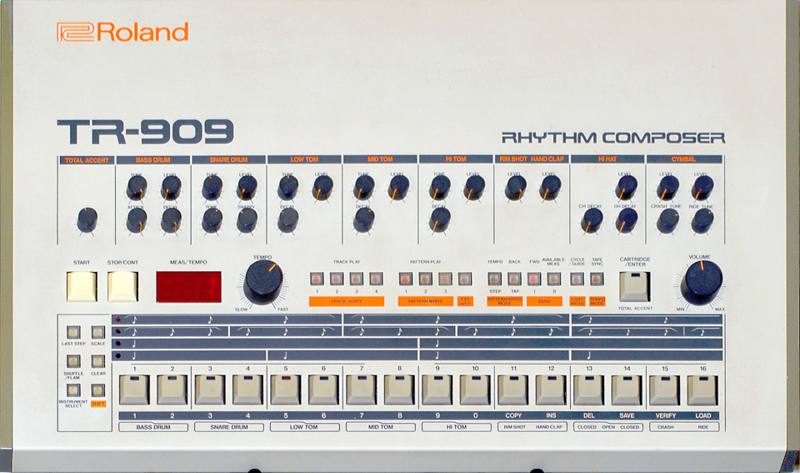
The music did not disappear. It went back underground, into clubs in New York, Chicago and Detroit, where DJs kept playing it and producers started making new tracks with drum machines. That underground scene produced garage, Chicago house and influenced Detroit techno.
Disco's lasting gifts to DJing
| Innovation | What it changed |
|---|---|
| Continuous mixing | The night as one journey |
| The 12-inch single | Longer, louder, mixable records |
| Extended remixes | Intros and outros made for DJs |
| Dedicated DJ mixers | Equipment built around blending |
| Sound-focused clubs | High-quality systems became part of the experience |
| Steady four-on-the-floor kick | The rhythm of house, techno and much pop |
Disco's tempo
Classic disco usually sits around 110 to 130 BPM, often with live drummers, strings and horns. Because live drummers vary slightly in tempo, mixing disco records takes careful riding of the pitch fader. Modern "nu-disco" and disco edits keep the sound but lock it to a steady grid. See our BPM chart.
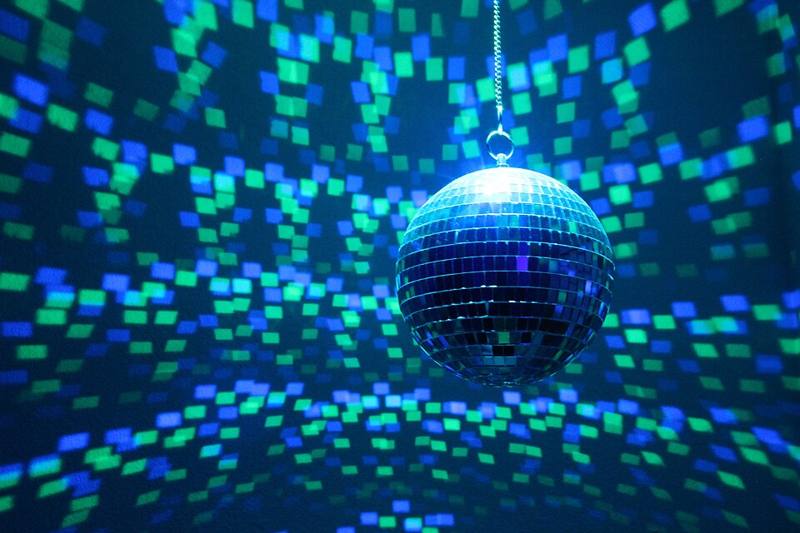
A mirror ball was in use in dance halls long before disco, but the disco era made it the symbol of the dancefloor.