DJ headphones
Why DJs need closed-back headphones with swivel cups, what impedance and isolation mean, and how to cue safely without blasting your ears.
Why headphones matter so much
Headphones are how you hear the next track before the crowd does. You use them to find the start point, match the tempo and check that the next track fits. In a loud club, your headphones are competing with a sound system pushing well over 100 decibels, so the wrong pair forces you to turn them up dangerously loud.
What to look for
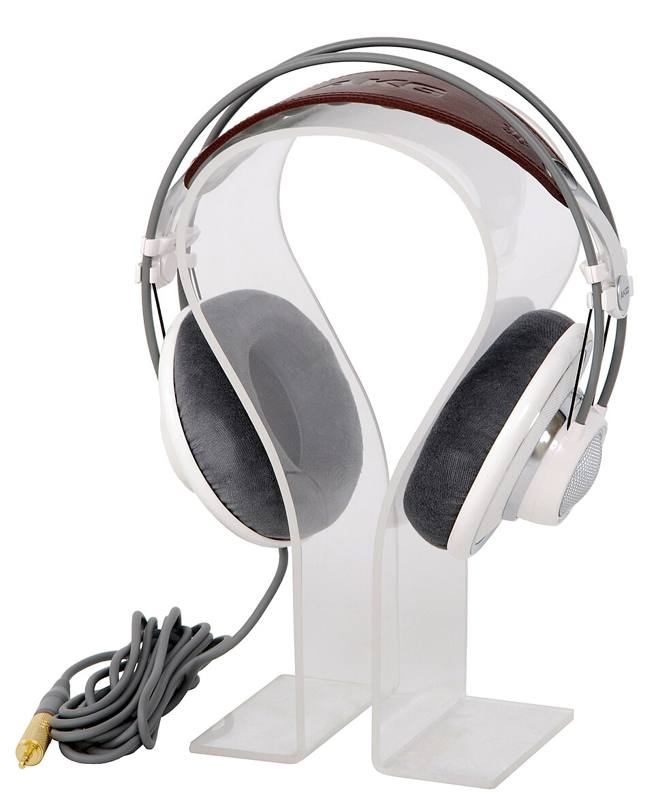
- Closed-back design. Closed cups block outside sound and keep your cue audio from leaking out. Open-back headphones sound airy at home but are almost useless in a club.
- Good isolation. The better the seal around or on your ears, the less volume you need.
- Swivel or rotating cups. Many DJs listen with one cup on and one off, often held against the ear with a shoulder. Cups that rotate make this comfortable.
- Durable build. Headphones get dropped, stuffed in bags and pulled by cables. Replaceable cables and ear pads extend their life.
- Detachable cable. A coiled cable stretches as you move; a straight one is lighter. Detachable means a broken cable is a cheap fix.
- Comfort over hours. A set can last two to four hours or more. Check weight and clamping force.
Over-ear vs on-ear
| Style | Pros | Cons |
|---|---|---|
| Over-ear (circumaural) | Better isolation, comfortable for long sets | Bigger, warmer |
| On-ear (supra-aural) | Light, easy to flip one cup on and off | Can press on ears, isolation varies |
| In-ear monitors | Excellent isolation when fitted well | Harder to use for one-ear cueing, less common for club DJs |
Impedance and sensitivity in plain English
Impedance is measured in ohms. DJ mixers and controllers drive most headphones easily, but very high impedance models (250 ohms and above) can sound quiet on small controllers. Most DJ headphones sit roughly between 16 and 64 ohms. Sensitivity tells you how loud headphones get for a given input. Higher sensitivity means more volume from the same knob position.
You do not need the "loudest" pair. If you need maximum volume to hear the cue, the problem is usually isolation or a booth monitor that is too loud.
Should DJ headphones be bass heavy?
DJs mostly listen for the kick drum and hi-hats to match beats. A clear low end helps, but heavy, boomy bass can blur the kick. Look for tight bass and clear highs. For harmonic mixing and checking vocals, a clear midrange helps too.
Wireless headphones
Bluetooth headphones add a delay, called latency, between the sound and your ears. Even a small delay makes beatmatching by ear unreliable. Use wired headphones for DJing.
Using headphones safely
- Start with the headphone volume low and raise it slowly.
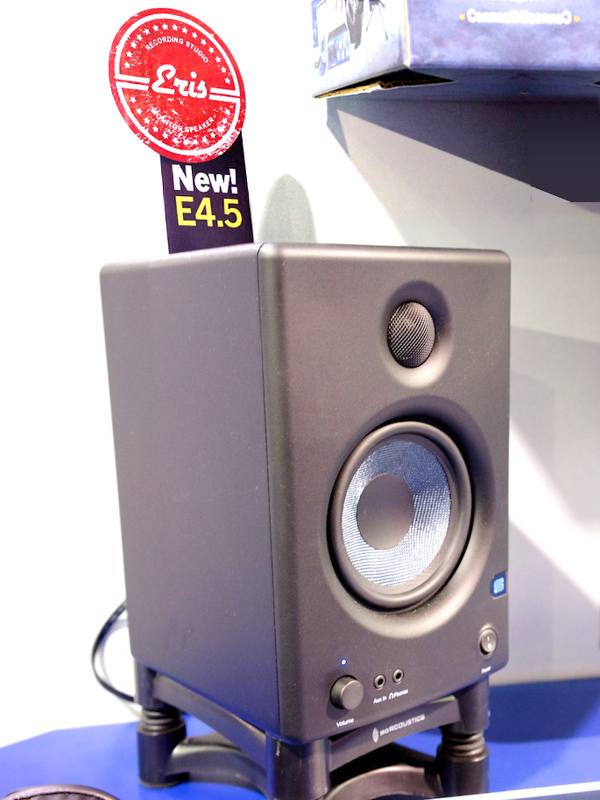
- Turn down the booth monitors before turning up your headphones.
- Use the mixer's cue/mix knob to blend the master into your headphones, so you are not wearing them at full blast just to hear both tracks.
- Take headphones off between transitions.
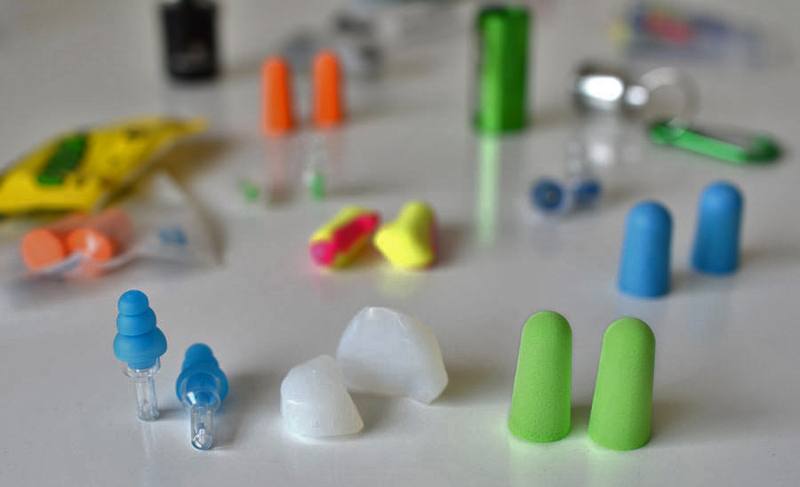
- Wear earplugs designed for musicians when you are not cueing. See our hearing protection guide.
Ringing ears after a gig is a warning sign of noise damage. Hearing damage from loud sound is permanent, so treat volume like any other safety issue.
Learn how to use your headphones in practice in our cueing guide.